Discover the Soul of Defiance: Exploring the Warsaw Uprising Memorial Museum
The Warsaw Uprising Museum stands as a testament to the resilience of those who faced oppression. It presents a remarkable look at the sacrifices made during one of history's most defining moments. Attendees can immerse themselves in immersive exhibits that highlight personal stories and collective memory. This exploration of the past raises important questions about human rights and the continuous fight for democratic principles. What lessons can be drawn from these narratives, and how do they remain relevant in the present?
The Reasons The Warsaw Uprising Remains Important Today
The importance of the Warsaw Uprising of 1944 resonates deeply in modern society, symbolizing strength against tyranny. This pivotal moment in history, which transpired in the course of the Second World War, illustrates the courage of individuals who rose up against tyranny, making it a powerful reference point for contemporary battles against authoritarianism. The insurrection stands as a reminder of the sacrifices made for independence, instilling a sense of responsibility to copyright democratic ideals in our time.
In an era marked by growing nationalist and populist thorough guide movements, the lessons of the Warsaw Uprising encourage watchfulness against the undermining of civil freedoms. It additionally nurtures a collective appreciation for the significance of joint endeavors in defending human rights. Furthermore, the uprising bridges generations, linking the narratives of past heroes with contemporary movements for justice. As a result, its legacy persists in inspiring individuals and societies around the world, emphasizing the enduring fight for freedom and equality.
Explore Key Exhibits and Personal Stories
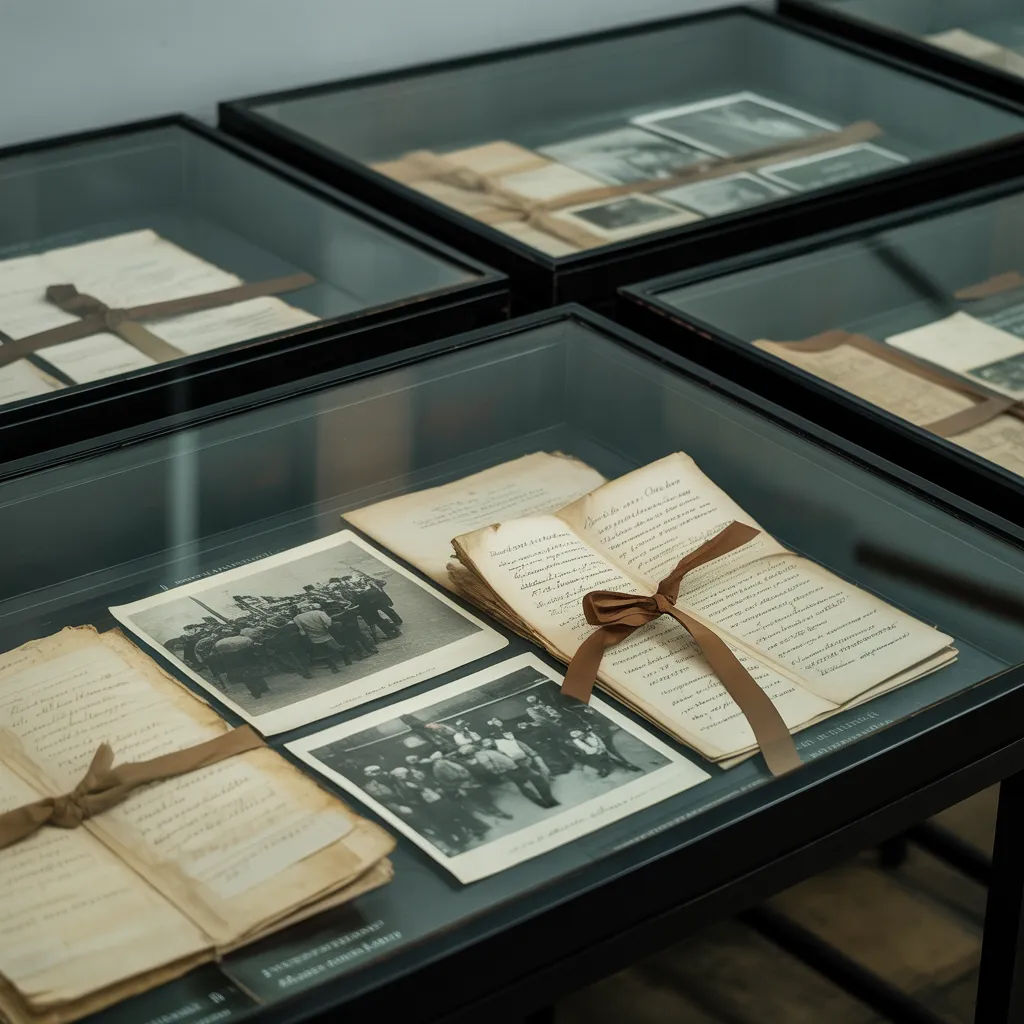
When touring the Warsaw Uprising Museum, guests are able to explore significant showcases that breathe life into the profound struggles of those who lived through it. The museum's collection includes personal artifacts, photographs, and documents that depict the everyday hardships endured by civilians and fighters alike. Among the most touching exhibits is one featuring a collection of letters written by insurgents, exposing their innermost hopes and anxieties throughout the conflict. Yet another display brings to light the stories of families who were displaced, underlining the devastating human cost of war.
Moreover, the exhibit displays military attire and arms used during the uprising, offering insight into the challenging situation. The account is deepened by recorded testimonies of eyewitnesses sharing their stories, adding an intimate dimension to the historical events. These displays not only inform guests about the uprising but also celebrate the resilience and bravery of the individuals who defended their city, connecting history with modern visitors.
Must-See Interactive Exhibits at The Museum
How can interactive exhibits enhance the understanding of the Warsaw Uprising? The Warsaw Uprising Museum features these exhibits as a powerful means of connecting with history. A particularly notable exhibit enables visitors to explore a virtual map of the city as it appeared during the uprising, shedding light on the geographical obstacles encountered by insurgents. Yet another captivating experience reproduces the sounds of battle, immersing guests in the intense atmosphere of the resistance movement.
In addition, the museum includes a powerful interactive display where visitors can submit personal reflections, cultivating a meaningful relationship to the history being told. Digital touchscreens present firsthand accounts from eyewitnesses, bridging the gap between history and today. These engaging components not only educate but also evoke empathy, rendering the intricacies of the Warsaw Uprising clearer and more meaningful. Via these creative exhibits, the exhibit converts historical learning into a captivating experience that strikes a chord with its audience.
Helpful Tips For Your Museum Visit
What essential tips can enhance a visit to the Warsaw Uprising Museum? To begin with, it is recommended to set aside at least two to three hours for a comprehensive exploration of the exhibits. Visitors should consider booking tickets online in advance to avoid long queues, especially during peak tourist seasons. Audio guides are offered and strongly advised, as they deliver meaningful context and enhanced perspectives on the exhibits.
Arriving early in the day can additionally improve the overall experience, allowing for a quieter atmosphere. Appropriate footwear is necessary, as the venue involves significant amounts of walking and standing. In addition, guests are encouraged to review the museum's calendar for special events, workshops, or guided tours that may deepen their knowledge. Lastly, speaking with the museum's team for guidance can result in uncovering hidden artifacts and narratives that illustrate the enduring spirit of Warsaw's people during the uprising.
How The Uprising Forms Modern Polish Identity
The Warsaw Uprising remains a defining moment in the history of Poland, significantly impacting the national identity of the Polish people. This courageous 1944 stand against Nazi occupation embodies courage, resilience, and the struggle for freedom. The Uprising has become a fundamental touchstone in present-day Polish patriotism, cultivating a spirit of unity among Poles who see it as an homage to their common heritage and principles.
In modern-day Poland, the Uprising is commemorated in a variety of ways, from civic events to artistic tributes, deepening a communal memory that influences national awareness. The bravery demonstrated during the Uprising is honored through literature, cinema, and art, acting as a source of national pride.
Moreover, the Uprising's influence drives ongoing discussions about sacrifice, democracy, and historical memory, influencing political discourse and civic engagement. Thus, the Warsaw Uprising's significance endures as a cornerstone of Polish identity, reflecting the enduring spirit of resistance and the quest for sovereignty.
Shaping Future Generations Through The Museum
The Warsaw Uprising Museum holds a significant position in informing younger generations by means of its hands-on exhibitions, which connect them to the key moments of the rebellion. By preserving these narratives, the museum not only pays tribute to history but also instills a sense of responsibility in generations to come. This strategy nurtures a deeper understanding of history and its ongoing impact on Poland's cultural heritage.
Educating Through Interactive Exhibits
While many museums aim to preserve history, the Warsaw Uprising Museum adopts a unique methodology by immersing visitors in interactive displays. These carefully designed installations invite individuals to immerse themselves in the experiences of those who lived through the uprising. By utilizing multimedia displays, virtual reality environments, and interactive activities, the museum cultivates a profound appreciation of the historical context and emotional weight of the events. Attendees can discover real artifacts and immerse themselves in storytelling that brings history to life, ensuring it resonates with future generations. This interactive methodology not only teaches but also nurtures understanding and reflective thinking, making certain that the teachings of the uprising reach well past the museum's boundaries, shaping the perspectives of future leaders.
Maintaining the Impact of Historical Narratives
Through its interactive exhibits, the Warsaw Uprising Museum not only informs guests but also serves a vital function in preserving historical accounts that speak to generations to come. By presenting firsthand experiences, historical objects, and digital displays, the museum encourages a deeper understanding of the importance of the Uprising. This involvement helps to ensure that the offerings made during this pivotal moment in history are not overlooked. The museum underscores the significance of resilience, courage, and collective memory, encouraging young people to reflect on their own ideals and obligations. As visitors form emotional bonds with the past, they are encouraged to become engaged contributors in creating a better tomorrow. As a result, the museum functions as a vital conduit for passing on these important stories over the years.
Individual Stories That Shed Light on History
Among the relics and exhibits of the Warsaw Uprising's commemorative museum, firsthand accounts emerge as striking expressions of strength and bravery. Each narrative, regardless of whether it comes from a fighter or a resident, delivers a deeply moving window into the personal journey during one of history's darkest times. The institution presents written correspondence, journals, and spoken accounts that express the feelings of grief, perseverance, and resistance, permitting attendees to engage with these events in an intimately meaningful way.
These stories illuminate the nuances of perseverance, revealing how everyday people transformed into exceptional heroes. They uncover the moral dilemmas encountered throughout the uprising and the ties built in the face of adversity. By sharing these intimate accounts, the museum safeguards history but also emphasizes the significance of distinct voices in molding collective remembrance. At their core, these individual accounts redefine the comprehension of the uprising, allowing it to resonate in modern conversations surrounding resistance and identity.
Commonly Asked Questions
What Are the Museum's Business Hours and Ticket Prices?
The museum operates daily from 10 in the morning until 6 in the evening, with Thursday hours extended until 8 PM. Ticket prices are 25 PLN per adult, while students and seniors enjoy reduced rates at 15 PLN.
Can You Take a Guided Tour at the Warsaw Uprising Museum?
Indeed, guided tours are offered at the museum. These guided experiences deliver in-depth insights into the displays and historical background, deepening visitors' appreciation of the significance and events of the revolt. Booking in advance is recommended.
Is Photography Permitted Inside the Museum?
The use of cameras is generally prohibited inside the museum in order to protect the displays and honor the dignified nature of the environment. Guests are invited to embrace the visit without taking photos, directing their attention toward the historical importance of the artifacts.
Are There Any Gift Shops or Cafés Located On-Site?
Yes, the museum features both a gift shop and a café on the premises. Visitors can purchase souvenirs and enjoy refreshments, adding to the enjoyment of their trip while discovering the historical importance of the museum's displays.
Are There Any Special Events or Exhibitions Coming Up?
The museum frequently organizes unique events and exhibits. Upcoming programs feature lectures, film screenings, and interactive displays, giving attendees greater knowledge about the historical significance of the Warsaw Uprising and its enduring legacy.